



Lab-Grown vs. Natural Diamonds: What Dallas Buyers Should Know

The short version: A lab-grown diamond is a real diamond. It has the same chemical, physical, and optical properties as a natural diamond; the difference is origin. The FTC requires that origin be clearly disclosed. Lab-grown costs significantly less for a similar look, while natural diamonds tend to hold value better. The right choice depends on what you prioritize.
Lab-grown diamonds are everywhere now, and they raise a fair question: are they 'real,' and how do they stack up against natural diamonds? The short answer is that they are absolutely real diamonds. Here is an honest comparison so you can decide what is right for you.
Are lab-grown diamonds real diamonds?
Yes. A lab-grown diamond has the same chemical composition, crystal structure, and optical and physical properties as a natural diamond. The only difference is how it formed: natural diamonds grow in the earth over time, while lab-grown diamonds are created in controlled conditions, typically by two methods called HPHT (high pressure, high temperature) and CVD (chemical vapor deposition). The Federal Trade Commission updated its guidance so that 'diamond' is no longer defined as only natural, recognizing that a lab-grown diamond is still a diamond.
Why disclosure matters
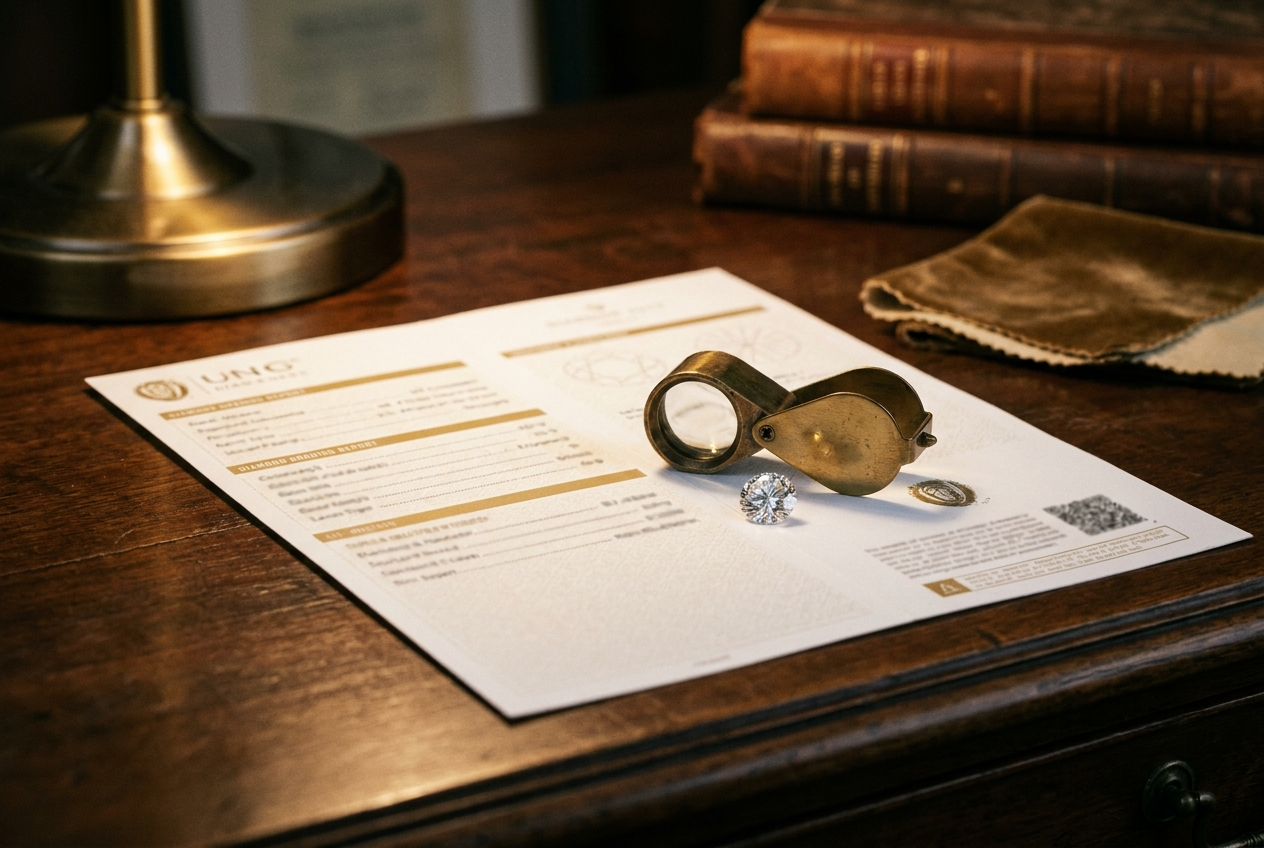
Because the two are so similar that a jeweler often needs specialized equipment to tell them apart, the FTC requires sellers to clearly disclose whether a diamond is lab-grown or natural. Reputable lab-grown diamonds are also graded by independent labs like GIA and IGI, and many come laser-inscribed with a report number. Always buy from a jeweler who states origin plainly and provides a report.
How they compare
| Property | Lab-grown | Natural |
|---|---|---|
| What it is | Diamond (crystallized carbon), created in a lab | Diamond (crystallized carbon), formed in the earth |
| Look and hardness | Identical to natural, hardness 10 | Identical to lab-grown, hardness 10 |
| Grading | Graded by GIA, IGI, and others on the 4Cs | Graded by GIA and others on the 4Cs |
| Price | Significantly lower for a similar size and quality | Higher; reflects rarity and natural origin |
| Value over time | Resale value is generally lower | Tends to hold value better |
| Disclosure | Must be disclosed as lab-grown (FTC) | Disclosed as natural |
Which is right for you?
- Choose lab-grown if you want the largest, highest-quality diamond your budget allows and resale value is not a priority.
- Choose natural if its rarity, natural origin, and stronger long-term value matter to you.
- Remember the difference from moissanite. Unlike moissanite, which is a different gemstone, a lab-grown diamond is chemically a diamond. If you are weighing moissanite too, that is a separate comparison.
Lab-grown or natural, a diamond is a diamond. The decision is less about which is 'real' and more about what you value: maximum size today, or natural rarity over time.
Compare them in person
The clearest way to choose is to see lab-grown and natural diamonds together. Visit our bridal collection or let our sourcing team present graded options side by side, then book an appointment to view them under the same light.
